%25202-127x128.png&w=256&q=75)
Industry Trends
India After the Real-Money Gaming Ban: Where the Next $2.4 Billion Goes
On September 22, 2025, the Promotion and Regulation of Online Gaming Act came into force and real-money gaming in India stopped almost overnight. It is hard to overstate how big that was. Before the ban, real-money games brought in about $3.7 billion a year, roughly 85% of everything Indian gaming earned, supported around 200,000 jobs and paid $2.3 billion in taxes. A year on, the industry is still working out what the country's gaming market looks like without it.
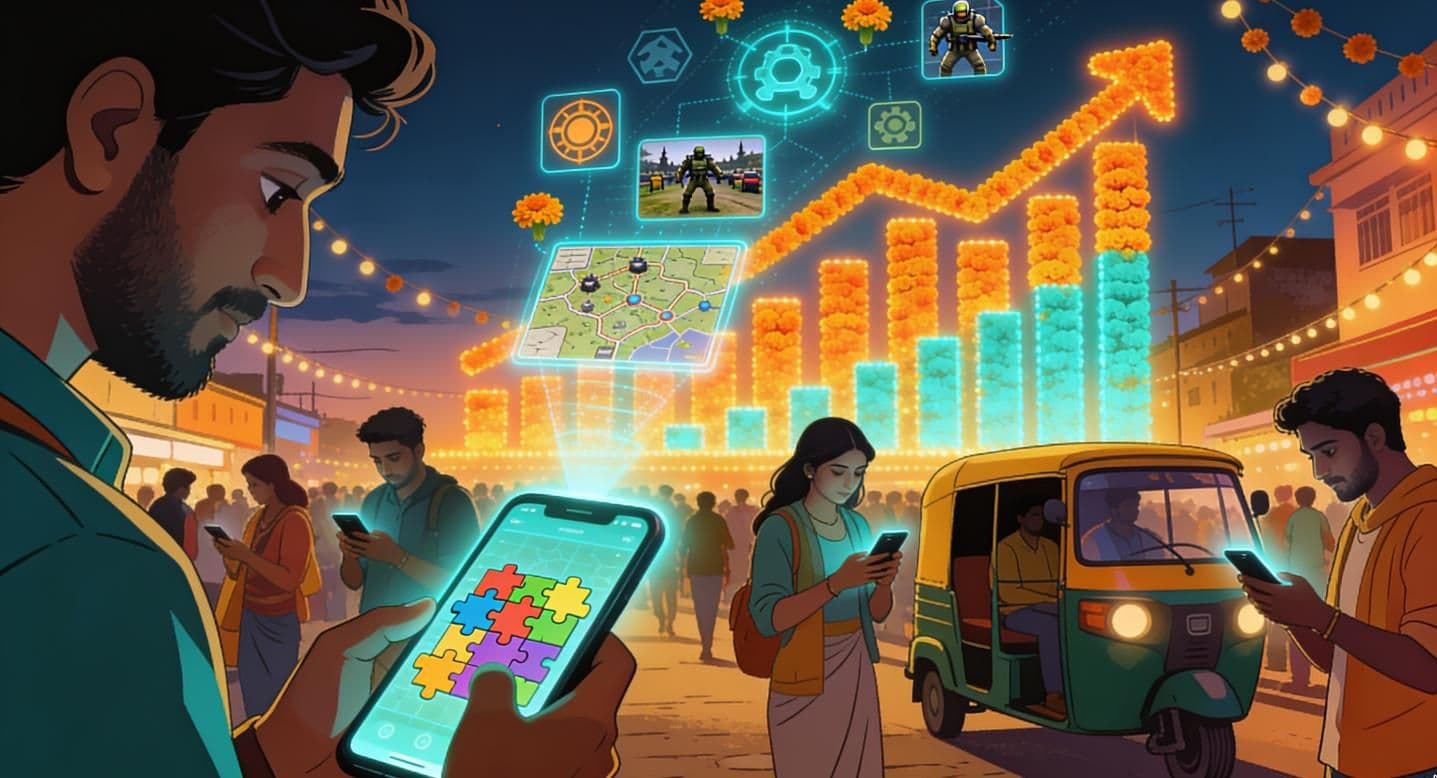
A report published in July by MIXI Global Investments, written by Naavik with data from Sensor Tower and AppsFlyer, gives the first proper answer. India's mobile games market, minus real-money gaming, was worth about $1.1 billion in 2025. It is expected to reach $1.5 billion this year, growth of close to 15%, and $2.4 billion by 2029. That is a smaller number than the old headline figures, but it is real money spent on real games, and it is growing fast.
The scale of the audience has not changed. India has more than 600 million active gamers and racked up nearly 8 billion game installs in 2025, more than any other country in Asia. What has always been missing is spending. India ranks sixth in Asia for in-app purchase revenue at around $800 million a year, well behind markets a fraction of its size. Downloads have never been the problem here. Getting people to pay has.
That is starting to shift. Tenjin's analysis of the market points out that average revenue per paying user has gone from about $3 in 2020 to $27 in 2025, a nine-fold increase in five years. A growing middle class with more discretionary income, more than 80% smartphone penetration and a generation of players in their late teens to mid-thirties who grew up on mobile all point the same way. Indian players will pay for games. They just have not had many games worth paying for.
Look at where the money goes today and the gap is obvious. Shooters lead the market, and almost all of that revenue comes from two titles, Free Fire Max and BGMI. Battle royale alone makes up close to half of the market. Strategy is second. Puzzle is third, and inside puzzle, match-swap games take 71% of the category's revenue. That concentration is not a sign of a saturated market. It is a sign of a market with very few choices, where players pile into the handful of games that are actually good.
There is a warning in the puzzle numbers too. Match-swap games still take most of the puzzle revenue, but puzzle downloads fell by nearly 19% and engagement by almost 23% in the same period. The players who tried the big global match-3 games are drifting away. The genre is not dying. The games on offer are simply not made for them.
The report's central point is that the real-money ban did not remove spending from the market, it freed it up. The people who were putting money into fantasy cricket and rummy still have that money, still have their phones and still want something to do in the evening. Studios that used to depend on real-money gaming are now moving to in-app purchases and ads. Publishers who ignored India because the numbers looked small are looking again.
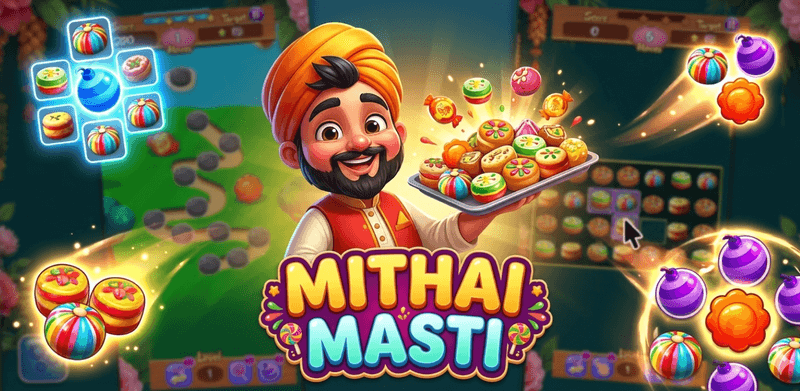
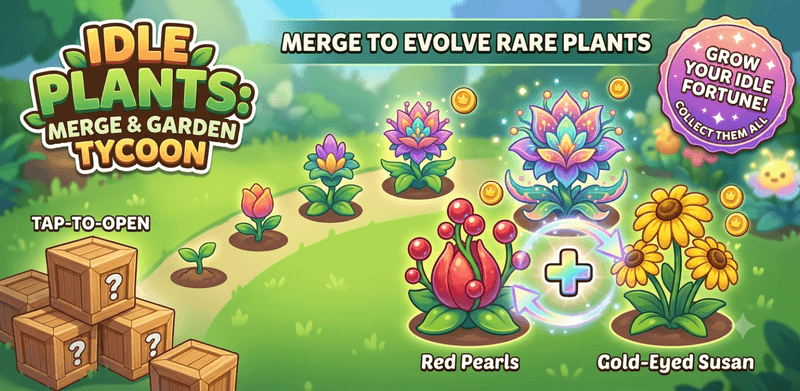
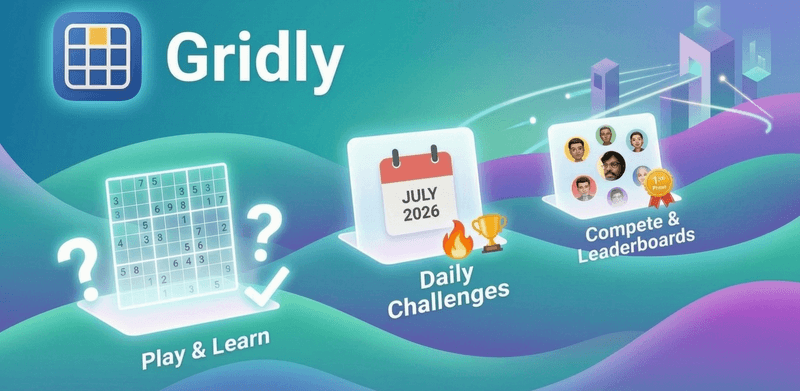
This is the market we build for. Our games are casual and puzzle-first, priced for Indian players and rooted in things people here recognise. Mithai Masti is a match game built around Indian sweets rather than candy. Idle Plants and Gridly are the kind of short-session games that fit around a commute or a tea break. We think the next few years belong to studios that understand the difference between a game that is available in India and a game that is made for India, and we intend to be one of them.
If you play our games, the honest ask is the same as always: tell us what you like and what you do not. The numbers say Indian players are ready to pay for games that respect them. We would like to earn that.